Origin, Clearly Told
Baliem Arabica Coffee, offered with clarity—green beans for home roasting and roasted coffee for daily brewing.
From Papua’s Baliem Valley to your brewer, we handle coffee as something earned, not invented. We sell traceable green lots that are clean spiritually, economically, naturally and socially, stable, and ready for home roasters, and small-batch roasted coffees built for sweetness, structure, and repeatability. Every listing tells you what the coffee is, how it was processed, and what to expect in the cup—so you can choose with confidence and return to what you love.
From Baliem Valley, With Proof
Baliem Ararabica Coffee is the product of KSU Baliem Arabica, built to make Baliem Valley Arabica available in its most honest forms: traceable green beans for home roasting and freshly roasted coffee for everyday brewing. The work starts in West Papua’s Baliem Valley, where coffee follows seasons and shared labor by traditional family members. As a cooperative, we consolidate smallholder harvests, improve post-harvest handling, and keep lots connected to their processing choices. Online, we carry that same discipline into a WooCommerce store: clear product information, careful storage and packing, and straightforward fulfillment so the coffee’s last mile doesn’t undo the work done at origin. Our philosophy comes down to three practices—clarity (state what the coffee is and how it was processed), stewardship (handle coffee like food that ages and absorbs its environment), and repeatability (profiles and lots that are enjoyable more than once, not built around spectacle).

Green Coffee Treated as a Craft
We don’t list green beans as an afterthought. Lots are selected for cleanliness and moisture stability, stored to avoid humidity and odor contamination, and described with practical notes that help home roasters make decisions—how the coffee tends to respond in development, and what to expect as you push or pull the roast.
Roast Profiling for Sweetness and Structure
Our roasted coffee is built to show Baliem character without burying it under roast taste. Profiles are developed through trials, tracked with basics like weight loss and visual checks, and refined for consistency so espresso, pour-over, and simple batch brew can all land in a balanced range.
Products
Green Coffee Beans (Unroasted)
Traceable Baliem Arabica prepared for home roasting. I focus on clean sorting, moisture-stable storage, and clear lot details (processing style, harvest context when available, and what to expect in roast development) so you can make informed roast decisions—not guesses.
Freshly Roasted Coffee
Small-batch roasted coffee with roast dates stated clearly and packaging designed to protect aromatics. I profile for sweetness, structure, and clarity so the cup stays recognizably Papuan—expressing origin character without relying on heavy roast flavor.
What You’ll Find Here
Baliem Ararabica Coffee exists to make Baliem Valley Arabica accessible in its most honest forms: traceable green beans for home roasting and carefully roasted coffee for everyday brewing. Everything I do is guided by clarity (say what it is), stewardship (handle it like food), and repeatability (make it enjoyable more than once).
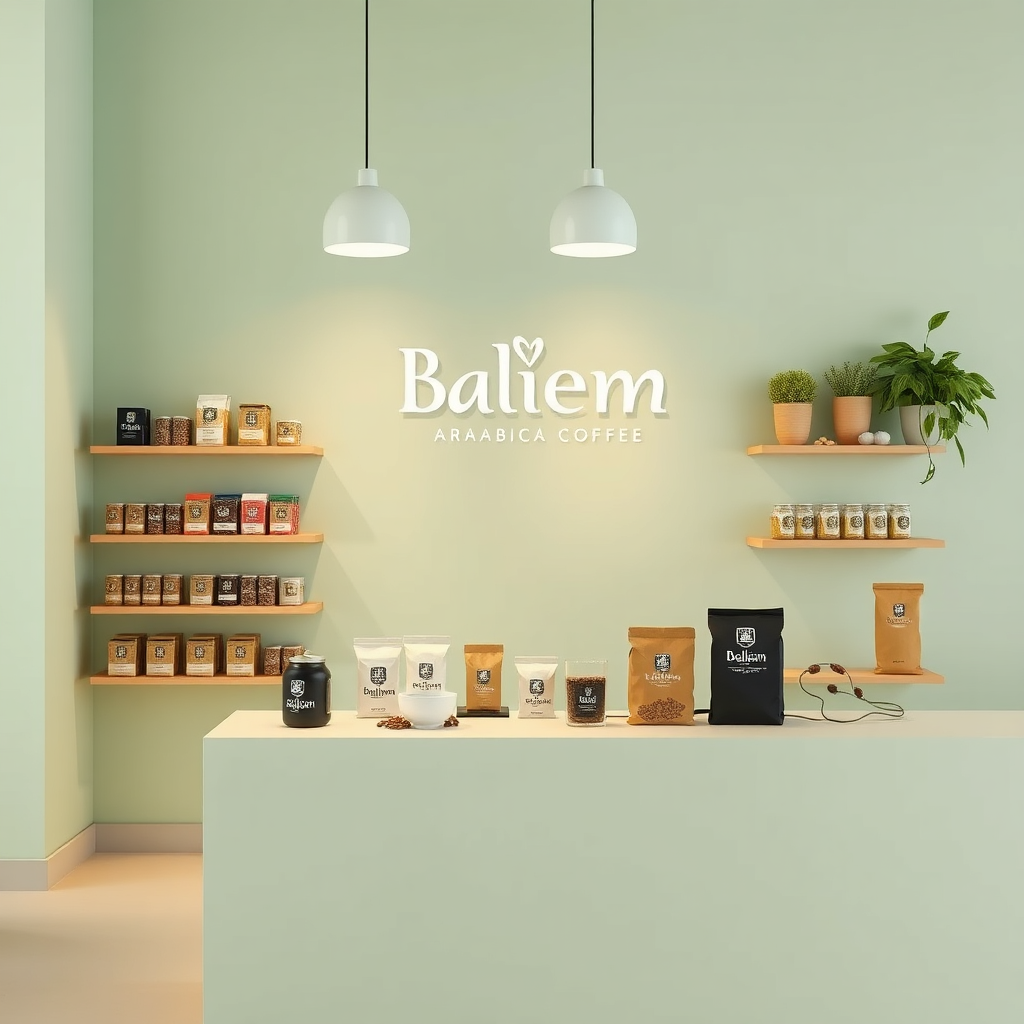
Green Coffee Treated as a Craft
I prepare green beans for home roasting with the same seriousness as roasted coffee: clean sorting, stable storage, and notes that translate into real roast decisions—so you’re not guessing your way through a bag.

Roasted for Origin, Not for Effect
I roast in small batches to keep Baliem Valley character intact—sweetness, structure, and clarity—without hiding the coffee under heavy roast taste. Each bag is dated and packed to protect aromatics.
Frequently Asked Questions
Baliem Arabica Coffee exists to make Baliem Arabica Coffee accessible in honest forms: traceable green beans for home roasting and carefully roasted coffee for everyday brewing. These answers explain how I think about clarity, stewardship, and repeatability—so you can choose coffee with fewer assumptions and more confidence.
What’s the difference between your green coffee and your roasted coffee?
Green coffee is unroasted coffee meant for home roasting—you control the flavor development. Roasted coffee is ready to brew and roasted to keep Baliem Valley character clear and balanced. I treat both with equal seriousness, because the craft starts before the roast and continues through packing and shipping.
How do you describe processing (washed, natural, honey) and why does it matter?
Processing is how coffee is handled after picking, and it changes what you taste. Washed lots tend to show clearer structure and acidity; natural lots often lean toward heavier sweetness and fruit; honey sits somewhere between. I state the process plainly and describe what it usually implies in the cup, without trying to disguise natural seasonal variation.
Do your coffees taste the same every year?
No—and I don’t treat that as a flaw. Coffee is agriculture, so a harvest might show more citrus one year and more cocoa the next. My job is to keep the coffee traceable and handled well, then roast for a stable, repeatable experience within what that season naturally gives.
How do you handle quality from farm to cup?
I focus on small, practical steps that protect flavor: selecting lots for cleanliness and moisture stability, storing green coffee to avoid humidity and odor, profiling roasts for sweetness and clarity, letting roasted coffee rest, and packing carefully so freshness isn’t lost at the last mile. Stewardship is mostly invisible work, but it shows up in the cup.
Choose green or roasted coffee beans —know exactly what you’re buying, from farm to cup.
We Guarantee Spiritually Clean & Nurturing Coffee
Baliem Ararabica Coffee
c/o Lembaga SAPA Kompleks Missi Pos 7.
Sentani,l Papua 99352
(62) 0857 69223000.
balimearabica@gmail.com